Titanium Yellow 1324A
Titanium Chrome Yellow (Pigment Brown 24)
Inorganic Pigments| Titanium Yellow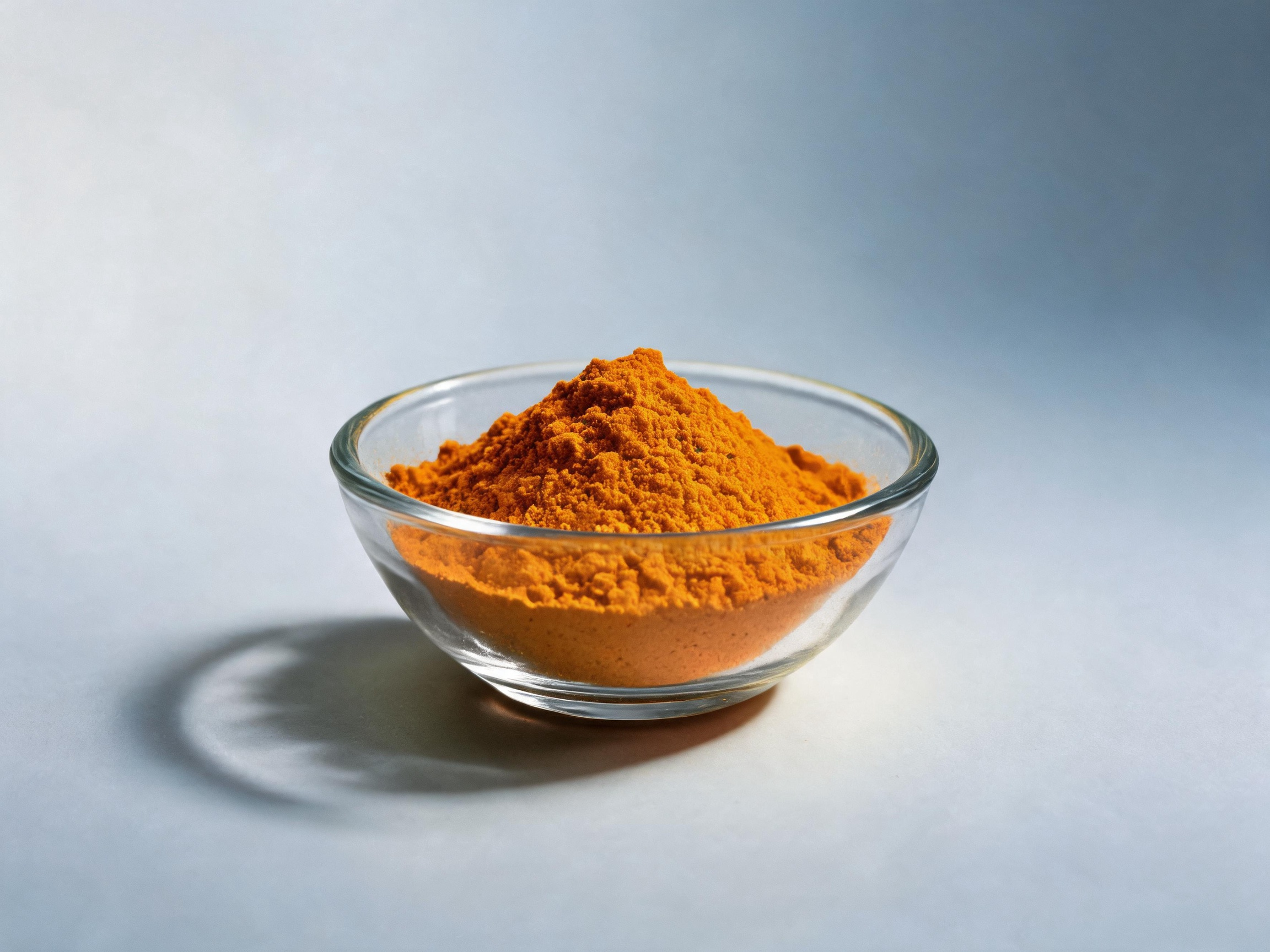
Basic Specifications
| Product Name | Titanium Yellow 1324A |
| English Name | Titanium Chrome Yellow (Pigment Brown 24) |
| CAS Registry Number | 68186-90-3 |
| C.I. Number | Pigment Brown 24 / C.I. 77310 |
| Molecular formula | Cr-Sb-Ti-O (Rutile-type Composite Inorganic Pigment) |
| Molecular Weight | Composite Inorganic Oxides |
| Product Categories | Inorganic Pigments |
| Product Line | Titanium Yellow |
| Hue | Green, Yellow |
| Appearance | Yellow powder |
| Density | Approx. 4.4 g/cm³ |
Product Features
- High heat resistance — stable above 800°C, suitable for high-temperature processing
- High Hiding Power – Excellent coverage, the ideal replacement for lead-chrome pigments
- Lightfastness & Weather Resistance — 8-grade lightfastness; color stays vibrant outdoors for years
- Infrared Reflection — Cool Pigment Technology, Reduces Heat Absorption in Products
- Chemically inert — acid-, alkali-, and solvent-resistant; easy to disperse
Application Areas
Coatings — Industrial Coatings, Powder Coatings, Fluorocarbon Coatings, Non-stick CoatingsPlastics — Masterbatches, Engineering Plastics, Automotive Interior PartsBuilding Materials — Cement, Ceramics, Colored SandArchitectural Coatings — Outdoor Weathering Applications
App Data
| Applicable Systems | Recommendation | Behavior Description |
|---|---|---|
| Coatings (Industrial / Powder / Fluorocarbon) | ✅ Recommended | Usage: 5-20%, Temperature resistance: 800°C, High coverage |
| Plastic (PE/PP/PVC/ABS) | ✅ Recommended | Usage: 1-5%, stable under high-temperature processing. |
| Automotive Interior Engineering Plastics | ✅ Recommended | Use 1-5% infrared reflective cooling |
| Building Materials (Cement/Ceramics/Colored Sand) | ✅ Recommended | Use 3-10% for long-lasting durability |
| Exterior Building Coatings | ✅ Recommended | Lasts 5-20%, color-fast for 20 years |
Notes
- Please test with a sample first to confirm the optimal dosage and heat resistance conditions.
- The powder color chart may differ from the final product color. Please refer to the actual colored result.
- Evaluate weather resistance for long-term outdoor exposure.
- Inorganic pigments require higher usage levels than organic ones. For more vibrant hues, we recommend blending them with organic pigments.
Learn more?
Our technical team is ready to provide professional product consultation and application guidance.
Get in Touch